
How much does kitchen cabinet refacing cost in Wellesley?
Most Wellesley kitchen cabinet refacing jobs run {COST_LOW} to {COST_HIGH}, with most homeowners landing near {COST_MID}. Where you fall in that range depends on how many linear feet of cabinets you have, whether your boxes need any repair before new veneer goes on, and which finish level you choose.
Three Ranges And What Each One Buys You
A smaller kitchen, painted or rigid-thermofoil finish, standard hinges and pulls, and boxes that need no repair before refacing. This covers new doors, drawer fronts, veneer on all exposed box surfaces, and hardware, with no accessory add-ons.
A typical Wellesley kitchen with a stain-grade wood veneer finish, soft-close hinges and drawer slides throughout, and matching crown molding or end panels where the original box didn’t have them. This is where most jobs we quote in town land.
A larger kitchen or one with an island, premium solid-wood veneer, custom door profiles, full soft-close hardware, and box repair on a section that needed it. This tier also covers kitchens with more corner cabinets, pantry units, or a layout with more linear footage than a standard galley or L-shaped kitchen.
What Drives The Number Up
In Wellesley’s older housing stock, particularly the Colonial and Tudor Revival homes built in the early 1900s through the 1930s, decades of paint layers and old hardware often need to be stripped and boxes repaired before new veneer will adhere evenly. That prep work adds labor hours that a newer kitchen wouldn’t need.
Out-of-square walls and floors, common in a lot of the town’s pre-1950s construction after decades of settling, mean new doors have to be scribed and hung individually rather than hung straight off the shelf. Larger kitchens, kitchens with islands, and layouts with more corner cabinets or specialty units also add linear footage and labor time, which moves the number up regardless of the home’s age.
What Brings The Number Down
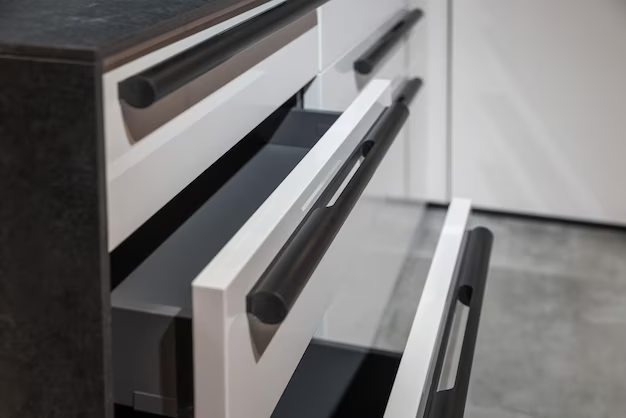
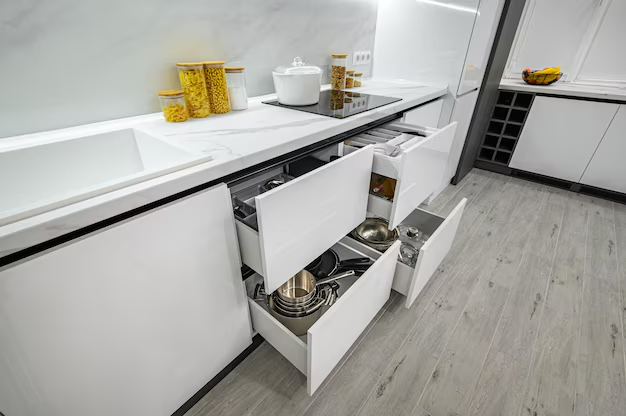
Solid wood, face-frame boxes in good structural condition, which describes most of the original kitchens in Wellesley’s older homes, need no box repair before refacing, which keeps the labor side of the quote down. Keeping your existing hardware placement and drawer configuration instead of reconfiguring the interior also holds the number closer to the low end, as does choosing a paint-grade or thermofoil finish over a premium wood veneer.
What a Wellesley Quote Should Include
- Linear footage measured in your home, not estimated from a photo or floor plan
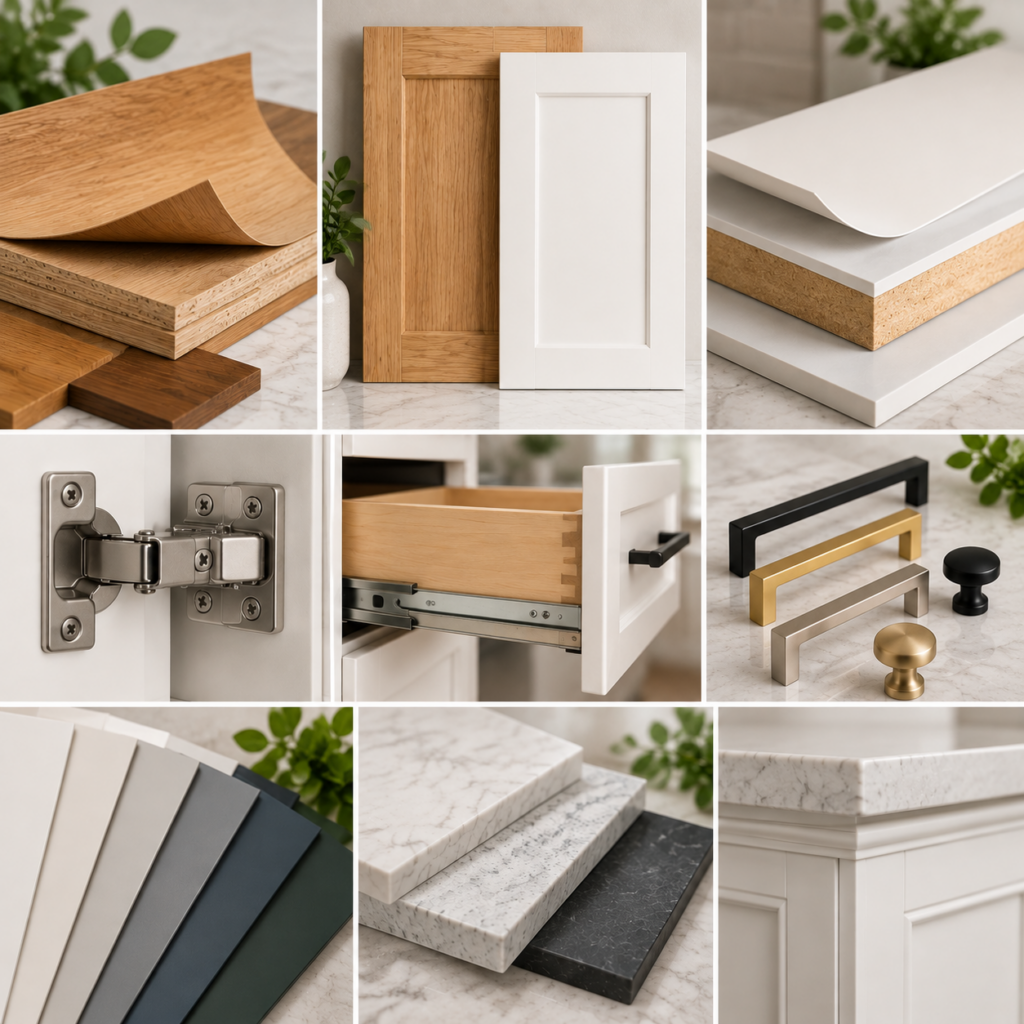
- The veneer material named specifically (rigid thermofoil, wood veneer, or solid wood), not just “new finish”
- Door and drawer front construction specified, including whether it's solid wood or MDF core
- Any box repair or prep work itemized separately from the refacing cost itself
- Hardware specified by type, including whether hinges and slides are soft-close
- A written project timeline from order to install, not a verbal estimate
- A payment schedule tied to project milestones, not full payment upfront
- The contractor's Home Improvement Contractor (HIC) registration number
Where Cheap Quotes Make Their Money Back
A quote that looks low compared to everyone else’s is usually low because something got left out, not because the contractor found a better price on materials. The line items that go missing most often are box repair or prep work discovered once the doors come off, disposal of the old doors and hardware, upgraded hinges and slides if soft-close wasn’t specified, and crown molding or end panels needed to match the new finish where the original box didn’t have them. Each of those shows up as a change order later, at a worse price than if it had been quoted upfront.
Financing and payment schedule
A typical refacing job is paid in three stages: a deposit when you sign and materials are ordered, a progress payment when doors and veneer arrive and installation begins, and a final payment once the walkthrough is complete and you’ve signed off on the work. Financing, where available, is offered on these terms: {FINANCING_TERMS}.
Get an Exact Number For Your House
Every range on this page depends on your specific kitchen, so the only way to get a firm number is to have us measure it. Request a firm number for your project and we’ll walk your kitchen, check your box condition, and give you a written quote before we leave. Call 857-837-2572, see the full scope of the work on the service page, or reach us through the contact page.